Advanced Metal Casting & Material Development

Exploring advanced casting techniques to develop, process, and evaluate metal alloys for demanding engineering and research applications.

Casting Expertise

We specialise in advanced casting processes for zinc, aluminium, and magnesium alloys, with expertise in stir casting and controlled-atmosphere processing. Our research focuses on process optimisation, material development, microstructural characterisation, and the evaluation of casting quality for industrial and research applications.

Casting sits beside our testing services, so a cast sample can go on to microstructural examination and property testing within the same project.

Every casting project is scoped individually. The alloy, the casting route and the tests are agreed with you before work begins.

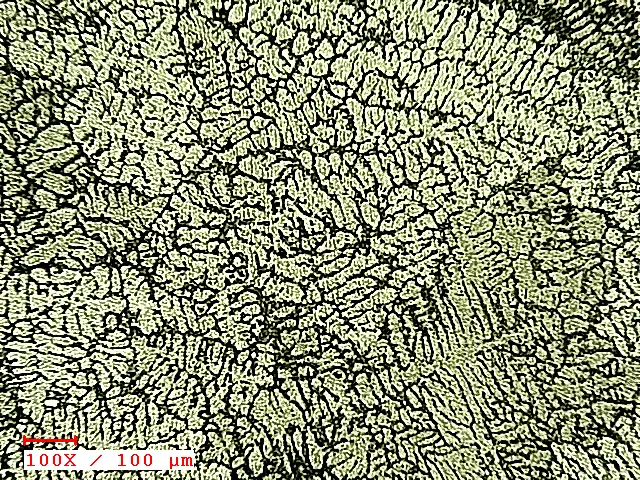
Photomicrograph of Aluminium Alloy at 100X
Aluminium Alloy100X · Hydrofluoric acid solution
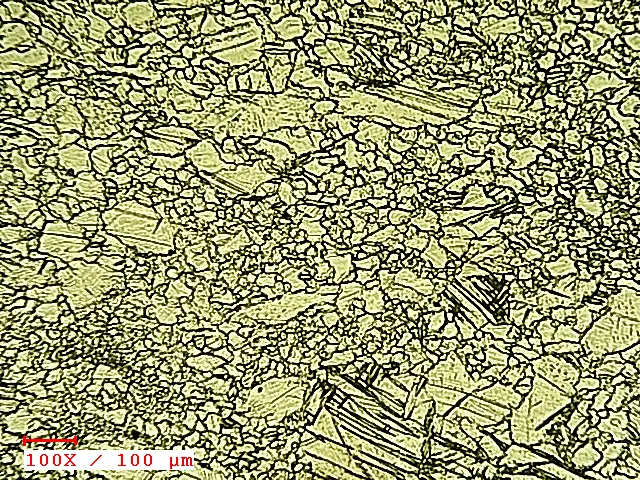
Photomicrograph of Magnesium Alloy at 100X
Magnesium Alloy100X · Picric acid solution

Reference micrographs from our standard metallographic specimen sets, showing the dendritic structures typical of these alloy systems.

View the full specimen set

Alloy Casting

Conventional casting of aluminium, magnesium and zinc alloys: the alloy is melted and cast on its own, and the work concerns the alloy, the casting parameters and the quality of the result.

Aluminium Alloy Casting

Aluminium alloys combine low density with good castability, which makes them central to lightweight engineering. We cast aluminium alloys for development and research work and evaluate how the casting route shapes the material.

What this covers

  • Aluminium alloy development and processing
  • Optimisation of casting parameters
  • Evaluation of microstructure and material properties
  • Assessment of casting defects, with the examinations available to the project

Application areas

  • Automotive components
  • Aerospace research
  • Industrial components
  • Engineering development
Enquire about this: Aluminium Alloy Casting

Magnesium Alloy Casting

Magnesium is the lightest structural metal, and its alloys are widely studied for weight reduction. Molten magnesium is highly reactive, so melting and pouring must be planned around oxidation and safe handling.

What this covers

  • Magnesium alloy casting and processing research
  • Evaluation of process parameters
  • Microstructural characterisation
  • Assessment of mechanical properties
  • Controlled-atmosphere considerations for reactive magnesium melts

Magnesium casting is arranged project by project. Feasibility, melt handling and scope are confirmed with you before any work is agreed.

Enquire about this: Magnesium Alloy Casting

Zinc Alloy Casting

Zinc alloys melt at comparatively low temperatures and fill moulds well, and are used for detailed cast parts and, in zinc–aluminium grades, for bearing applications. We approach zinc alloy casting as material-processing and research work.

What this covers

  • Zinc alloy casting and process development
  • Evaluation of casting parameters
  • Microstructure and material-property assessment
  • Investigation of casting quality and defects
  • Research involving zinc-based engineering materials

Zinc alloy work is scoped on enquiry: tell us the alloy and what you need to learn, and we will confirm what can be done.

Enquire about this: Zinc Alloy Casting

Specialist Casting Processes

Two processes we bring particular expertise to: stir casting for composite development, and controlled-atmosphere processing for melts that react with air.

Composite Development & Casting Quality

Developing new cast materials, and evaluating castings with the laboratory’s testing services.

Metal Matrix Composite Development

A metal matrix composite combines a metal or alloy with a reinforcing phase to reach properties the base metal cannot, such as higher stiffness or wear resistance. Developing one means choosing the reinforcement, incorporating it, and checking how it is distributed and bonded.

What this covers

  • Metal matrix composite research
  • Reinforcement selection and incorporation, to suit the project
  • Reinforcement distribution and interface evaluation
  • Microstructural characterisation
  • Mechanical-property assessment
  • Research-led material development

Related testing services

Enquire about this: Metal Matrix Composite Development

Casting Quality & Material Characterisation

Castings are evaluated with the laboratory’s testing services. The tests for each project are chosen from those below and agreed with you in advance.

What this covers

  • Micro and macro examination of the cast structure
  • SEM with EDS for microstructure, fracture surfaces and composition
  • Hardness testing
  • Tensile and compression testing
  • Porosity and defect evaluation
  • Wear and corrosion testing, where relevant
  • Comparison of casting parameters with the resulting properties
Enquire about this: Casting Quality & Material Characterisation

How a Casting Project Runs

The stages a casting project can include, from the first discussion to the technical findings.

  1. Requirement Assessment

    We understand the alloy system, the intended application, the research objective and the material requirements.

  2. Material & Process Selection

    We identify a suitable casting route for the alloy, any reinforcement and the project’s objectives.

  3. Casting Process Development

    Relevant process parameters are evaluated, with atmosphere requirements where they apply.

  4. Sample Preparation & Characterisation

    Specimens are prepared and their microstructure and quality assessed.

  5. Property Evaluation

    Material tests are carried out according to the agreed project scope.

  6. Technical Findings

    We present the agreed observations, test results and technical documentation.

Each project uses only the stages it needs. Some cover casting alone; others only the evaluation of castings you supply.

Applications & Research Areas

Fields where casting and composite development are applied. They describe the scope of the work, not past client projects.

  • Lightweight engineering materials

    Aluminium and magnesium alloys for parts where weight matters.

  • Aluminium-based metal matrix composites

    Reinforced aluminium for higher stiffness and wear resistance.

  • Magnesium alloy research

    Casting behaviour, microstructure and properties of magnesium alloys.

  • Zinc-based engineering components

    Zinc alloys for detailed cast parts and bearing applications.

  • Automotive material research

    Lighter alloys and composites for vehicle components.

  • Wear-resistant material development

    Reinforced and alloyed materials for sliding and abrasive contact.

  • Materials science and academic research

    Sample production and characterisation for theses, projects and publications.

  • Industrial component development

    Evaluation of alloys and casting routes for industrial parts.

Planning a casting or composite project?

Tell us the alloy, the process you have in mind and what you need to learn. We will confirm what can be done and agree the scope with you.

Discuss Your Casting Project